
On Descent
piece

ON DESCENT
In the later centuries of the Roman empire there appeared, what has been called by Platonist scholar, John Dillon, a “Platonic underworld”. This refers not to some metaphysical realm, but to a kind of subculture, analogous to the worst excesses of (at least the marketed aspect of) “new age” woo mongering today; the exploitation of ignorance and superstition.
Platonist philosophy presented a particularly rich vein for plundering by charlatans and peddlers of vulgar magic, charms, and quackery because it was amenable to popular religious forms, including the ever growing variety of mystery and salvation cults in the spiritually cosmopolitan atmosphere of the later empire (whether these cults were authentic or just business enterprises).
The market places of all the major metropolitan areas in the Mediterranean world, North Africa and North Western Europe were full of wandering fantasy purveyors, wonder workers, sleight of hand men and women, babbling roadside seers and fake oracles. They brandished a few garbled concepts and forms from genuine philosophical and theosophical systems such as Platonism (just enough to dazzle poor and uneducated people with an aura of authority and insight) but as debased and commercially amenable simulations.
Doom ranting fanatics, snake oil salesmen, and pound shop prophets are certainly not unknown today, but as the Roman empire lurched towards increasingly frequent crises, social inequality and tyranny, the old intellectual vigour, high learning and clarity, ascendant at least as aspirations during the republic and early empire - if they remained at all – were hoarded by the ruling elite and wilfully denied the masses.
In their place the very lowest order of philosophical-religious ‘entrepreneurs’ exemplified perhaps by the infamous ‘Alexander and Glycon outfit’ reported by Lucian of Samosata, flourished with influence and profit. They parodied genuine learning and accomplishment to sell nonsense to the gullible.
This degenerate condition arose not least because, as said, the elite monopolised and jealously guarded their privileged access to the learning and high culture of the philosophical schools such as there were. In this they could be seen to have wrought the downfall of the very cultural matrix they sought to preserve. When calamities came, the great masses of the empire’s population were far more likely to follow the carnival barkers and pseudo-mystics than the philosophers.
And as a response from the elite, there came the politically engineered ‘religious’ revolution, the replacement of the many traditional spiritualties and ethnic religions by one Abrahamic cult, and an emperor as Yahweh’s chosen.
This should be a warning against callously maintaining a society so divided by access to resources, intellectual and otherwise, which foments both elitist snobbery and it’s polar partner; quasi-intellectual or anti-intellectual (the two often appear together) rebellion.
THE ANTI-DRUIDS
For want of honour, craving mirth
instead, maybe, a race of sprites
who flaunt and rave upon the earth,
replacing day with dread of night
***
that neither Gaelic sons of old,
nor gods, nor heroes of the field,
but baleful eyes, to summon wads.
for gold, they empty promise wield
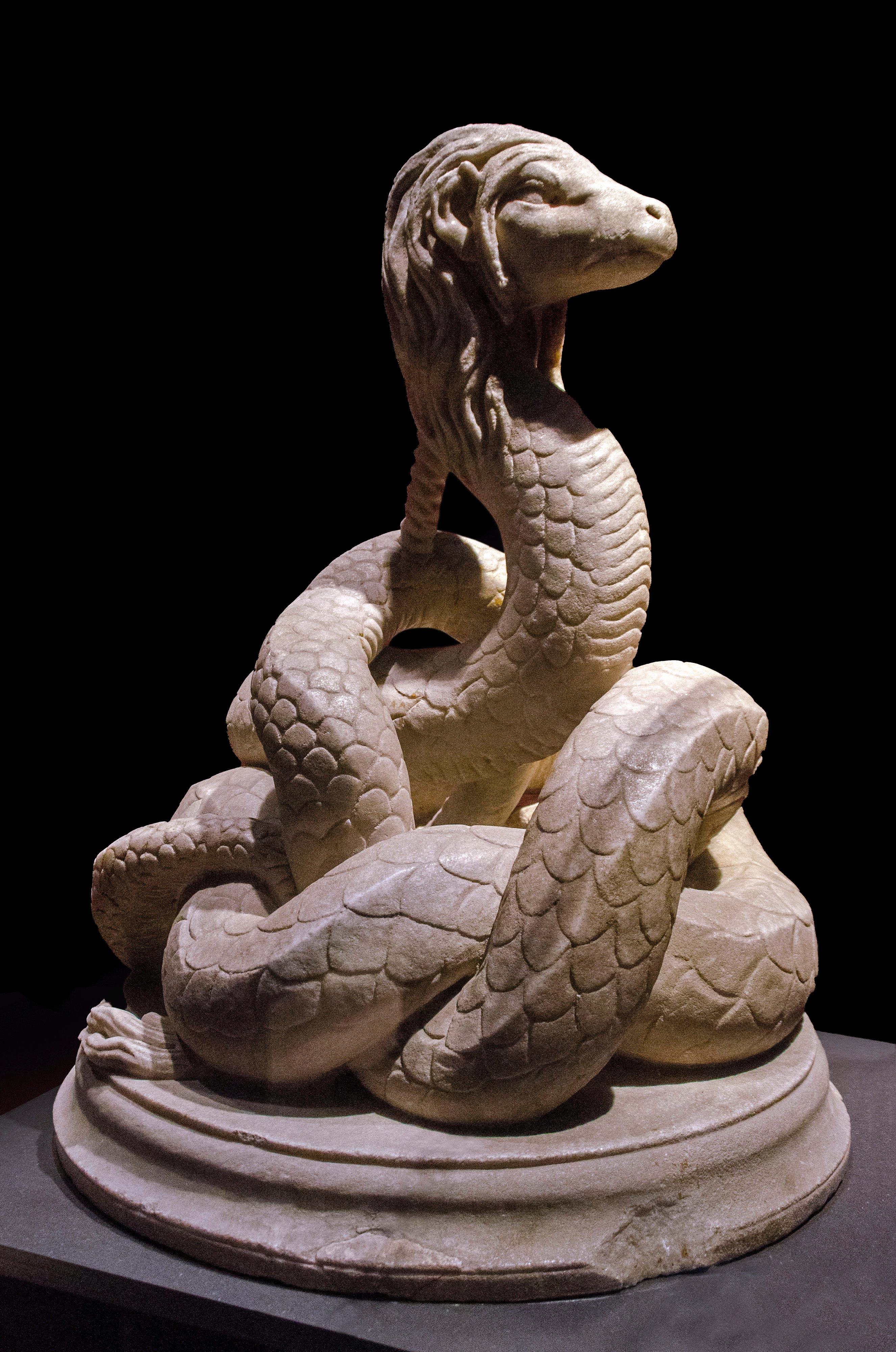
Charlatanism is a very common problem today. It seems to find good company, and not a little support where profiteering is the first and only significant loyalty, in this world where deception, punishment, and entrapment are designed as primary operating systems.
I'm unclear if your questions are rhetorical or you expect an answer which I can give.